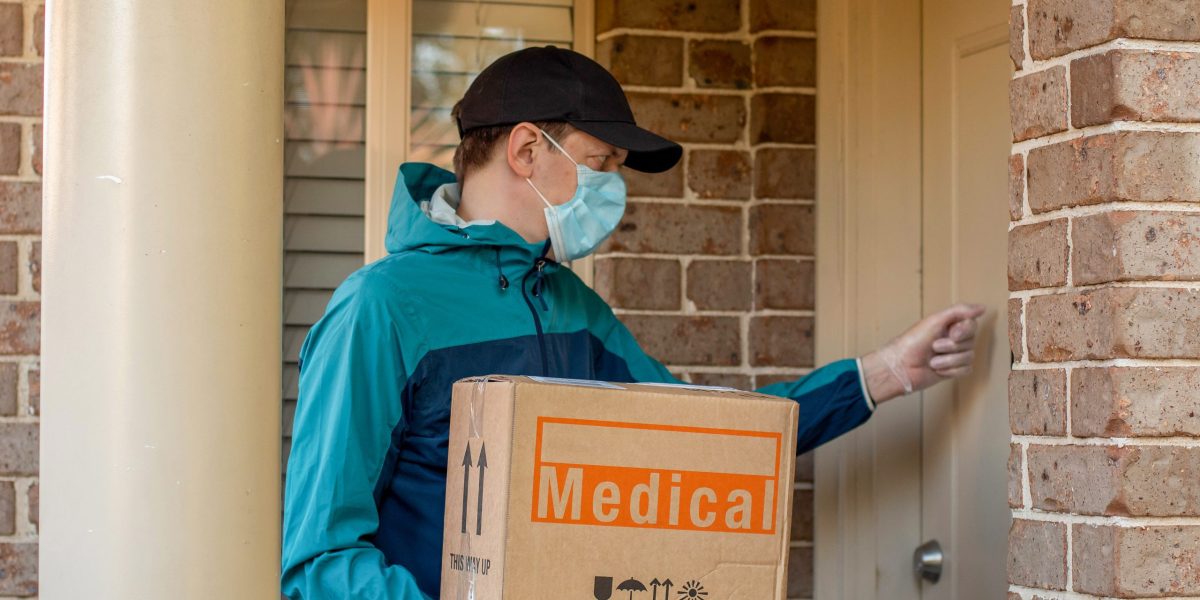
Navigating the complexities of healthcare logistics in one of the most densely populated regions in the country requires more than just a vehicle; it demands precision, local expertise, and uncompromising reliability. For hospital administrators, laboratory directors, and clinic managers, partnering with specialized Medical Courier Services is not just a line item on an operational budget; it is a critical component of patient care and regulatory compliance.
You know that general delivery fleets are not up to the task of delivering temperature-sensitive specimens, urgent medical products, or specialized equipment. Finding a logistics partner that has such deep insights into the geographical and regulatory variances of our particular region is where we struggle more in reality. The majority of legacy logistics providers build their infrastructure only to cover the five boroughs of NYC but many critical healthcare facilities outside those priciest opportunities in the heart of NYC including several along Long Island, Nassau and Suffolk counties numbering as far west as New Jersey and east all the way to Providence even before those arguably most Important Hospitals sites followed along after are admittedly under-served, glued to ‘delayed’ routes from out-of-date dispatchers.
This is where a locally rooted style of thinking emerges all, a world of difference outclass the logistics game.
Known for our industry leadership based out of Hicksville, MSI Health Solutions offers in-region, dedicated medical courier Long Island tri-state logistics you can depend on. You know that tackling the Long Island Expressway at rush hour or arranging cross-county STAT deliveries ignores proactive route optimization and regionalized dispatching. Since we are located in central Long Island, it cuts out those NYC-based fleets which allows us to service your facilities much quicker.
Our localized expertise is not only limited to standard specimen transport. Our extensive regional presence provides us with the ability to incorporate challenging home healthcare logistics into our routes, delivering and setting up end-to-end Sleep Therapy Solutions through your patients’ front door in the tri-state area.
This guide will cover exactly what B2B healthcare decision-makers need to look for when choosing a regional medical courier, specifics around optimizing your localized supply chain and why partnering with a dedicated Long Island-based hub provides an operational edge.
The Critical Landscape of Healthcare Logistics on Long Island & the Tri-State Area
Providing healthcare throughout Long Island, New York City, Westchester, Northern New Jersey, and Southwestern Connecticut is among the most challenging logistics environments in North America. In contrast to standard commercial freight, medical supply chains work in a world of care when even an hour works against them at any point; this could destroy a biological sample rendering it useless for further lab tests or surgery.
The Geographic Realities of Long Island Traffic Corridors
An efficient courier network for Long Island will need to take the highway architecture of the region into account. Three primary arterial arteries are relied on for east-west transit throughout Long Island:
- The Long Island Expressway (I-495): The primary spine for commercial and emergency transport, subject to extreme congestion during peak morning (6:00 AM – 10:00 AM) and evening (3:30 PM – 7:30 PM) commute hours.
- Northern State Parkway & Southern State Parkway: Major thoroughfares that restrict commercial trucks, requiring medical couriers to utilize compliant passenger fleet vehicles or light vans specifically permitted for parkway transit when arterial highways lock up.
- Route 110 (Broadhollow Road) & Route 25 (Jericho Turnpike): Key north-south industrial and healthcare corridors connecting major clinical hubs in Melville, Farmingdale, Huntington, and Mineola.
If one works the courier routes out of Queens, Brooklyn, or Manhattan (most common), one has to face reverse-commute traffic and/or suffer draconian time penalties at buy points bridges & tunnels before even reaching a specimen lockbox in Nassau or Suffolk County.
The Flaw in NYC-Centric Courier Models
In Manhattan and Brooklyn, major courier providers create dispatch routes based on density. When a reference lab in Stony Brook or a surgical center in Garden City orders up an NYC-centric model for a STAT pick-up, drivers are dispatched who must then travel eastbound beyond the city line.
This model introduces several structural vulnerabilities:
- Cascading Delays: A single accident at the Queens-Nassau border can delay a courier by 60 to 90 minutes, blowing past the strict 2-hour window required for unpreserved blood urine or ambient tissue samples.
- Lack of Driver Familiarity: Drivers accustomed to Manhattan grid layouts are often unfamiliar with the sprawling campuses of suburban health systems, regional medical parks, or rural East End outpatient centers, leading to lost time finding specific department receiving docks.
- Elevated Operational Costs: Congestion pricing, heavy toll schedules, and fuel waste from prolonged idling in borough traffic are routinely passed back to the client in the form of unpredictable fuel surcharges and accessorial fees.
The Hicksville Operational Advantage
Centrally located in Nassau County, Hicksville is the best operational hub for Long Island and tri-state medical delivery. Located at the intersection of major corridors (Route 106/107, Northern State Parkway, moments from I-495), a Hicksville logistics center offers two-way flexibility:
- Eastbound Velocity: Rapid access to western Suffolk County (Melville, Commack, Hauppauge) in 20-30 minutes and East Clinical sites without city bottlenecks.
- Westbound Flows: One of the few to receive direct access into Queens, Brooklyn, Manhattan and Northern New Jersey through cross-island parkway and expressway network
- Redundancy Options: Alternate paths immediately available via Jericho Turnpike (Route 25), Hempstead Turnpike (Route 24) or Sunrise Highway (Route 27) during an expressway cataclysm.
Core Medical Courier Services Required by Tri-State Healthcare Providers
This is no longer the era of tight-knit networks of hospitals and clinics. Demanding an expansive logistics portfolio to support outpatient surgery centers, urgent care networks, specialized diagnostic labs and direct-to-patient home care.
STAT & Emergency Specimen Transport
The highest tier in medical logistics is STAT medical transport. Emergency biopsy, spinal fluid sample or organ match tests must be transported quickly between a community clinic and a central reference laboratory.
- Turnaround Time (TAT) Commitments: Dedicated STAT drivers dispatched immediately upon call submission, targeting pickup-to-drop-off windows of 60 to 90 minutes across Nassau and Western Suffolk.
- Direct-Drive Protocols: Zero interim stops or consolidated batching during a STAT run; the vehicle moves exclusively from the point of origin to the destination facility.
- Chain of Custody Continuity: Immediate digital handoff logs recorded via mobile terminal at both origin and destination.
Scheduled Laboratory Route Logistics
Consistency and route predictability are both essential when routing laboratory workflow, especially in high-volume clinical networks. In this paper, we first give a brief description of some of the commercially available automated specimen collection systems and will focus on one example here:Scheduled route services automate specimen collection across dozens of outpatient sites, physician offices, and patient service centers (PSCs).
- Sweeps & Lockbox Pickups: You have morning, mid-day and late-night auto collection schedules for lockboxes so that samples collected overnight from the clinical schedule are processed automatically.
- Standardized Route Optimization: Leveraging dynamic routing software that reacts to past traffic trends across the LIE and Northern State Parkway, assuring consistent lab arrival windows.
- Supply Replenishment Loop: Reverse logistics workflows where couriers drop off new specimen collection kits, vacutainers, biohazard bags, and transport media to clinical sites during routine pickups.
Temperature-Controlled & Cold-Chain Logistics
Biological samples and specific biologics, including vaccines, degrade in ambient temperature spikes very quickly. An ideal medical courier should be able to support accurate temperature bands:
To preserve integrity, allow for active multi-temp fleet vehicles with calibrated refrigeration units, using pre-validated passive phase-change containers and digital temperature logging devices that continuously monitor internal thermal status.
Specialized Home Medical Equipment (HME) & DME Delivery
In this new era of home-based healthcare delivery, logistics providers need to connect the dots between care settings and patients at home. Home Medical Equipment (HME) and Durable Medical Equipment (DME), need specialized handling, white glove delivery, and patient-facing professionalism.
- Heavy & Sensitive Device Handling: Safe transport of oxygen concentrators, hospital beds, infusion pumps, and specialized mobility devices.
- Sanitization & Infection Control Protocols: Rigorous segregation between clean equipment being deployed and dirty/returned equipment undergoing decontamination (in accordance with OSHA and Joint Commission standards).
- Scheduled Residential Windows: Patient-friendly delivery windows across Long Island and the Tri-State area that minimize missed deliveries and reduce hospital readmission risks.
Integrated Clinical Solutions: Sleep Therapy & Respiratory Support
Setup of specialized therapy and supply distribution is a fast-growing arm in home healthcare logistics. Timely provision of therapy equipment directly influences clinical compliance and outcomes in patients diagnosed with obstructive sleep apnea (OSA) or chronic respiratory disorders.
By integrating specialized clinical logistics into regional routes, MSI Health Solutions provides seamless end-to-end distribution for Sleep Therapy Solutions. This specialized service includes:
- Direct-to-Patient CPAP/BiPAP Setup: Delivering continuous positive airway pressure (CPAP) and bilevel positive airway pressure (BiPAP) devices, humidifiers, and customized mask interfaces directly to patients’ homes across Nassau, Suffolk, and the tri-state area.
- Resupply Logistics: Automated, recurring distribution of replacement cushions, tubing, filters, and water chambers to maintain device compliance and hygiene standards.
- Patient Education & Compliance Verification: White-glove delivery personnel trained to assist with basic equipment unboxing, power verification, and cellular modem connectivity for remote compliance monitoring by clinicians.
Pharmaceutical & Prescription Fulfillment Distribution
The internal movement of pharmaceuticals between hospital central pharmacies, satellite locations, and outpatient infusion centers requires heightened security and compliance with state board regulations.
- Controlled Substance Handling: Strict dual-sign-off protocols and tamper-evident lockboxes for Schedule II-V pharmaceuticals.
- Stat Prescription Home Delivery: Direct delivery of specialized oncology drugs, compounding pharmaceuticals, and acute-care medications directly to homebound patients.
Regulatory Compliance, Security & Quality Standards
Non-compliance is an existential risk for healthcare organizations in medical logistics. Invalid diagnostic results due to chain-of-custody or temperature control failures can result in regulatory fines, civil liability, and serious reputational harm. It is paramount for B2B decision-makers to ask for compliance with national and state regulatory standards.
HIPAA & Protected Health Information (PHI) Security
The Health Insurance Portability and Accountability Act (HIPAA) not only regulates ePHI such as electronic medical records but also PHI that reside on physical documents, specimen labels, and patient identifiers affixed to transport bags.
- Business Associate Agreements (BAA): A professional Medical Courier Service must execute a formal BAA with every client facility, establishing legal responsibility for PHI protection during transit.
- Visual & Physical Confidentiality: Transport containers must feature opaque outer shells and concealed lock mechanisms to ensure patient names, medical record numbers (MRNs), and destination details are hidden from public view.
- Driver Privacy Training: Drivers must be trained never to leave manifest sheets or digital delivery screens exposed in unattended vehicles or public areas.
OSHA Bloodborne Pathogens Standard (29 CFR 1910.1030)
Couriers handling human blood, tissue, or potentially infectious materials must maintain full compliance with Occupational Safety and Health Administration guidelines.
DOT & IATA Hazardous Materials / Infectious Substance Regulations
The transport of diagnostic biological specimens falls under Department of Transportation (DOT) Hazardous Materials Regulations (49 CFR) and International Air Transport Association (IATA) guidelines.
- Category B Infectious Substances (UN 3373): Diagnostic human or animal specimens moved for testing must be packaged in compliant triple-packaging systems (primary leak-proof receptacle, secondary leak-proof packaging, and rigid outer packaging of adequate strength).
- Category A Infectious Substances (UN 2814 / UN 2900): High-consequence pathogens require certified hazardous materials drivers, specialized packaging, and emergency response contact numbers on all shipping manifests.
- Dry Ice Shipping (UN 1845): Couriers carrying dry ice for frozen specimens must be trained in hazardous gas venting, proper labeling, mass limits, and dangerous goods declarations.
NYSDOH & FDA Good Distribution Practice (GDP) Standards
Regional medical distribution in New York is subject to state laws, including NYSDOH regulations that govern transport of tissue, clinical laboratory samples and pharmaceutical products. When you follow the principles of FDA Good Distribution Practice (GDP) to be sure ambient, cold, and frozen storage is fully maintained through transport without thermal spikes and environmental degradation.
Operational Comparison: Hicksville Central Nassau Hub vs. Five-Borough Dispatch
What is important to know, however, about a Long Island-based logistics partner outpacing its NYC-centric counterparts in both Nassau and Suffolk as well as throughout the Tri-State area is this direct link between operational efficiency:
| Operational Metric | NYC Five-Borough Courier (carGO / RDS / Premier) | Long Island Central Hub (MSI Health Solutions) |
| Primary Dispatch Location | Manhattan, Brooklyn, or Long Island City | Hicksville, Long Island (Nassau County) |
| Average STAT Dispatch to Nassau | 60 – 90 Minutes | 15 – 30 Minutes |
| Average STAT Dispatch to Suffolk | 90 – 150+ Minutes | 30 – 45 Minutes |
| Bridge/Tunnel Delay Risk | High (Queens Midtown, RFK, Throgs Neck) | Zero for Nassau/Suffolk routes |
| Parkway Routing Agility | Limited (Heavy dependence on commercial trucks) | High (Mixed fleet permitted for Parkways) |
| East End Coverage (Riverhead/Hamptons) | Frequently rejected or heavily surcharged | Dedicated daily East End scheduled loops |
| Tri-State Expressway Connectivity | Must cross Manhattan grid to reach NJ/CT | Direct access to Cross Island & I-95/I-287 |
| Home Care Integration | Facility-to-facility focused | Full home deployment (including Sleep Therapy Solutions) |
Deep-Dive Traffic Impact Analysis
To illustrate the difference, consider a real-world scenario: A urgent STAT biopsy needs transport from an outpatient surgery center in Garden City to a pathology lab in Melville at 4:30 PM on a Thursday.
Key Evaluation Criteria for B2B Healthcare Decision-Makers
Selecting a medical courier service is a major operational decision. Switching providers involves onboarding costs, staff retraining, and integration of new tracking protocols. When evaluating potential logistics partners during the Middle of the Funnel (MOFU) assessment stage, B2B decision-makers should use the following evaluation framework.
Technology & Real-Time Chain-of-Custody Tracking
In modern healthcare, “trust, but verify” is the golden rule. A medical courier must provide complete visibility into every asset moving through their pipeline.
- Barcode Verification at Item Level: Scanning individual specimen bags, tote boxes, or equipment serial numbers not just master batch bags to ensure zero lost samples.
- Geofenced Automated Notifications: Automatic email/SMS alerts sent to clinical staff when a courier enters the facility perimeter or completes a delivery.
- Cloud Portal Integration: An easy-to-use web portal where lab directors can view live driver locations, historical turnaround times, and electronic proof of delivery (EPOD) records.
Driver Qualifications & Training Rigor
A medical courier driver is an extension of your healthcare organization’s professional brand. They interact directly with your doctors, nurses, medical assistants, and patients.
Key qualifications to verify:
- Background Checks & Drug Screening: Rigorous pre-employment 10-panel drug screens, state background checks, and continuous motor vehicle record (MVR) monitoring.
- Medical Logistics Certifications: Formal training in OSHA Bloodborne Pathogens, HIPAA Privacy Rules, IATA Category B transport, and hazardous spill containment.
- Professional Appearance & Identification: Uniformed drivers wearing visible, photo-ID badges specifying their credentials and company affiliation.
Fleet Capability & Temperature Verification Systems
Inquire about the composition of the courier’s fleet and the systems used to maintain thermal compliance.
- Dual-Compartment Refrigerated Vehicles: Are vehicles equipped with active, vehicle-powered refrigeration units, or do they rely entirely on manual ice packs?
- Calibrated Data Loggers: Are temperature sensors calibrated annually against NIST (National Institute of Standards and Technology) standards, with downloadable audit logs available upon request?
- Vehicle Sanitation Schedules: Documented protocols for regular interior cleaning and medical-grade sanitization of cargo areas.
Service Level Agreement (SLA) Guarantees & Redundancy
A contract is only as strong as its performance metrics. Your contract should stipulate explicit SLA benchmarks:
- On-Time Delivery Percentage (OTP): Demand an SLA target of 98.5% or higher for scheduled routes and STAT deliveries.
- Financial Penalty Clauses / Service Credits: Clear compensation structures if the courier fails to meet agreed-upon delivery windows, resulting in compromised samples.
- Fleet Redundancy Protocols: What happens if a delivery vehicle breaks down on the LIE with 50 lab specimens on board? The courier must have backup drivers and vehicles on standby within a 20-minute radius to perform an immediate hot-swap transfer.
Real-World Case Studies & Operational Scenarios
To demonstrate how localized logistics solve specific healthcare challenges across Long Island and the Tri-State area, let’s look at three practical operational scenarios.
Multi-Site Clinical Laboratory Network Across Nassau & Suffolk
The Challenge
This clinical reference laboratory chain, with a central processing facility in Lake Success, had 18 Patient Service Centers (PSCs) from Valley Stream to Riverhead. The NYC-based courier service that they had previously relied on was having trouble with late afternoon collections, which resulted in specimention backlogs and diagnostic test turnaround times delayed as much as 24 hours.
The Solution
Using a dual-hub dispatch model anchored in Hicksville, MSI Health Solutions redesigned the routing schedule for the laboratory as follows:
- Zone-based sweeps: a set of 18 PSCs grouped into the three geographic loops (Nassau South Shore, Nassau North Shore and Suffolk Central).
- Staggered Processing Runs: Mid-day sweeps delivered early samples to the Lake Success central lab by 1:00 PM, emptying the afternoon processing queue.
- Dedicated East End Express: Lockboxes from eastern Suffolk sites were serviced via Sunrise Highway to avoid congestion from LIE commuters at the end of each day.
Case Study 2: Direct-to-Patient Sleep Therapy & DME Home Deployment
The Challenge
A regional pulmonary and sleep medicine network, serving the Tri-State region success was looking for a logistics partner to manage home delivery, setup and supply replenishment for Sleep Therapy Solution patients. They had a freight provider that was dumping boxes at curbsides, resulting in excessive setup errors for patients; compliance issues; and recurring customer service complaints.
The Solution
MSI implemented a integrated home medical equipment logistics model:
- White-Glove Residential Delivery: Trained delivery specialists scheduled precise 2-hour delivery windows directly with patients.
- In-Home Device Unboxing & Placement: Specialists unboxed CPAP/BiPAP units, verified electrical connectivity, connected cellular monitoring modems, and delivered proper mask sizing kits.
- Automated Resupply Loops: Integrated an automated quarterly supply delivery route (replacement filters, tubing, cushions) synchronized with patient insurance coverage cycles.
Emergency STAT Organ & Tissue Transport Between Health Systems
The Challenge
A hospital SYSTEM HAD TO transport fresh, unpreserved tissue samples for intraoperative frozen section pathology from a community hospital in Glen Cove to a specialized tertiary center in Manhattan during morning rush hour.
The Solution
MSI deployed a STAT driver located in Hicksville, who arrived within 12 minutes of the dispatch request:
- Route Selection: The dispatcher selected an alternative route via the Northern State Parkway to the Grand Central Parkway, bypassing a major multi-car incident on the LIE.
- Real-Time Telematics Monitoring: Live temperature tracking confirmed the active +2°C to +8°C refrigerated container stayed completely stable throughout transit.
- Hand-to-Hand Transfer: The driver navigated directly to the 4th-floor surgical pathology suite in Manhattan, handing the specimen directly to the lead pathologist in 48 minutes total elapsed time.
Step-by-Step Vendor Audit Checklist for Healthcare Executives
Before signing or renewing a medical courier contract, perform this comprehensive audit to verify your provider’s capabilities.
Operational Infrastructure & Licensing
- Does the vendor hold active operating authority from the DOT and NYS Department of Transportation?
- Is the vendor headquartered or supported by an active, operational hub within Nassau or Suffolk County?
- Can the vendor produce a current, executed Business Associate Agreement (BAA) meeting HIPAA standards?
- Does the vendor maintain comprehensive general liability, auto liability ($1M+), and specialized cargo/medical professional liability insurance?
Driver & Safety Protocols
- Are all drivers directly employed (W-2) or thoroughly vetted independent contractors under strict compliance oversight?
- Does the company conduct annual OSHA Bloodborne Pathogens and HIPAA re-certification for all active drivers?
- Do driver vehicles contain fully equipped biological spill kits, PPE, and DOT-certified fire extinguishers?
- Is driver drug testing performed pre-hire and randomly throughout employment?
Technology & Temperature Compliance
- Does the driver mobile application require barcode scans at both pickup and drop-off points?
- Can the provider supply historical, downloadable temperature logs for refrigerated and frozen transport runs?
- Is electronic proof of delivery (EPOD) available in real time via an online portal?
- Does the dispatch system automatically alert management when a driver strays from an assigned route or incurs a delay?
Partner with Long Island’s Dedicated Healthcare Logistics Leader
In the high-stakes world of healthcare delivery, your logistics partner is a direct reflection of your organization’s commitment to patient care. Relying on NYC-centric courier services designed for borough traffic patterns often leads to unpredictable delays, missed collection windows, compromised specimens, and frustrated clinical teams across Long Island and the broader Tri-State area.
By choosing a Hicksville-based partner, your healthcare facility gains a distinct strategic advantage:
- Unmatched Local Speed: Rapid response times across Nassau and Suffolk County via optimized suburban highway corridors.
- Full Regulatory Peace of Mind: Complete compliance with HIPAA, OSHA, DOT, IATA, and NYSDOH guidelines.
- Advanced Real-Time Tracking: Item-level barcode scanning and digital chain-of-custody tracking from lockbox to laboratory bench.
- Comprehensive Healthcare Portfolio: Complete logistics support ranging from high-volume STAT laboratory routes to direct-to-patient home deployment for Sleep Therapy Solutions.
Don’t let logistics bottlenecks compromise your clinical operations or patient outcomes. Discover how a customized, locally rooted courier network can transform your facility’s supply chain.
Take the Next Step in Optimizing Your Regional Logistics
Visit MSI Health Solutions today to review our full service matrix or speak directly with our Hicksville-based dispatch team.