If you wake up gasping for air, experience nagging morning headaches, or feel like a zombie during the day despite spending eight hours in bed, you are not alone. Millions of people worldwide struggle with disrupted nights. Fortunately, modern Sleep Therapy Solutions offer highly effective ways to reclaim your sleep, your energy, and your long-term health.
With treating something like sleep apnea, the world of medical devices can seem daunting. Doctor and medical equipment suppliers will come into play using terms like CPAP, BiPAP, APAP, and compliance tracking.
This ultimate guide explains the A to Z of everything you need to know about Positive Airway Pressure Therapy (PAP). I will explain how all the systems function together, select which regimen is suitable for a home sleep treatment program, and approach various challenges associated with first-time users.
Understanding the Basics of Sleep Apnea
It is helpful to know exactly the problem these devices solve before diving into equipment. Due to its hidden risks, it is a common area of focus in the treatment of sleep disorders like sleep apnea.
The Types of Sleep Apnea
- Obstructive sleep apnea (OSA): The most prevalent type. The condition occurs when your throat muscles relax too much while you sleep, causing the soft tissues in the back of your mouth to sink and obstruct your airway.
- Central Sleep Apnea (CSA): In this, your brain does not send the proper signals to muscles that control breathing. Your airway isn’t necessarily obstructed, but your body simply fails to make the attempt at respiration for short intervals.
- Complex/Mixed Sleep Apnea: A mix of obstructive and central causes.
Your blood oxygen levels plummet when your breathing stops for seconds sometimes dozens of times every hour. The brain goes awry, releases a surge of stress hormones like cortisol, and sets you off in a micro-arousal (a millisecond wakeup) to suck breath. These awakenings, which you may or may not remember, wipe out your entire sleep architecture and keep you from ever getting into that deep, restorative REM sleep.
Why it makes a difference: Unmanaged sleep apnea chronic stress and also helps to develop high blood pressure, type 2 diabetes, stroke and cardiovascular disease possibility by up to 140% of data from the American Heart Association.
What is PAP Therapy? The Core Mechanisms
Positive Airway Pressure Therapy (PAP)—the absolute gold standard in sleep apnea treatment.
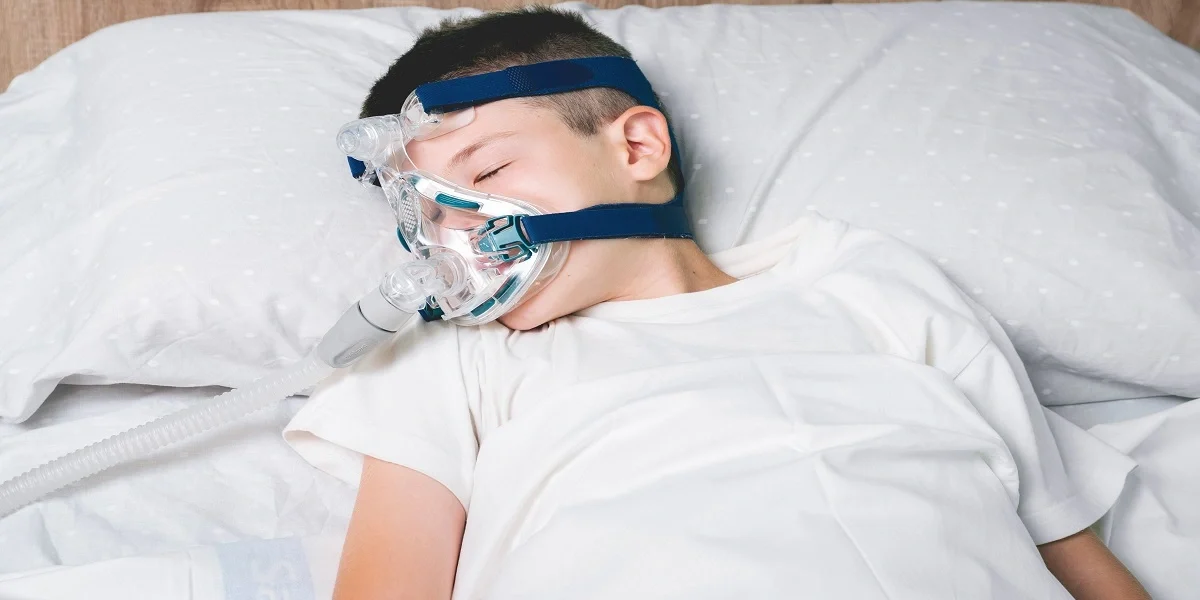
Imagine PAP therapy as a kind of perspirant who never sees your life when you are awake. The device snags air from the room, filters it, compresses for some predetermined threshold set by a sleep doctor and blows into your nostrils or upon your mouth through a flexible hose feeding a mask.
This constant flow of pressurized air pushes with just enough outward force to keep your airway tissues from closing in on each other. The airway stays open, the breathing is totally continuous, and your blood oxygen levels are stable all night long.
CPAP vs. APAP vs. BiPAP: Finding Your Fit
Not all air pressure needs are identical. Depending on the results of your sleep study, your specialist will prescribe a specific variant of PAP Therapy.
| Device Type | How It Delivers Pressure | Ideal Candidate |
| CPAP (Continuous Positive Airway Pressure) | Delivers one fixed, constant pressure setting all night long. | Standard Obstructive Sleep Therapy Solutions Apnea patients who need consistent, predictable support. |
| APAP (Automatic Positive Airway Pressure) | Uses algorithms to fluctuate pressure breath-by-breath based on airway resistance. | Active sleepers who change positions, or individuals whose apnea worsens during specific Sleep Therapy Solutions stages (like REM). |
| BiPAP (Bilevel Positive Airway Pressure) | Delivers two distinct pressures: higher when inhaling (IPAP) and lower when exhaling (EPAP). | Patients requiring high pressure settings, those with Central Sleep Therapy Solutions Apnea, or individuals with chronic lung conditions. |
CPAP Therapy
For this reason, CPAP machines, which have traditionally formed the bedrock of home sleep therapy, are fixed at a single pressure metric (measured in centimeters of water column; cmH2O). If you set it at 10 cm H2O, that’s exactly what you’re going to get came sleep, lightly drifting in and out of consciousness, or fully into REM sleep.
APAP Therapy
Automatic machines work with a range (for example, 4 to 15 cm H2O). If you lie on your side and the airway is fairly clear, the machine reduces pressure so that breathing is easier. If you’re rolled onto your back and starting to snore, the device detects the blockage and immediately increases pressure.
BiPAP Therapy
Turns out, some users find it exhausting to blow against a wall of incoming high pressure. BiPAP fixes this by lowering the pressure substantially right when you start blowing air out, so exhaling feels totally natural.
Essential Components of a Sleep Therapy Program
A good sleep therapy program is much more than a box with a motor inside. There is an entire ecosystem of components working in conjunction with one another to provide comfort and adherence to your medication.
1. The Mask Interface
The mask is the most intimate part of your treatment. Your choice of style determines your success or failure:
- Nasal Pillows: Soft silicone inserts that sit right at the very tip of your nostrils. Ideal for sweaty snoozers, beard wearers, or anyone prone to a little bit of claustrophobia.
- Nasal Masks: A small triangle dome covering your entire nose. A solid in-between option for delivery at a constant pressure.
- Full face mask: This covers both your nose and mouth. IMPORTANT IF: You breathe through your mouth at night or constantly have nasal congestion.
2. Heated Humidifiers and Tubing
Amplified by new device technologies, pumping dry room air straight into your body can quickly desiccate nasal pathways, causing irritation, bleeding or congestion. Current systems also integrate heated humidifiers that will inject moisture in to the airflow. Along with the humidifier, a heated tube can help prevent “rainout,” that annoying phenomenon where warm, moist air cools down inside the tube and then condenses into water droplets that splash up in your face.
3. Data Tracking Technology
Nearly all the devices in use today rely on an embedded cellular or Bluetooth modem to report sleep data up to a secure cloud platform. Your care team can monitor your AHI (Apnea-Hypopnea Index or number of breathing pauses per hour), mask leak, and monitoring hours used nightly.
The Role of Professional Respiratory Therapy Services
Handling your sleep equipment completely independently precludes a series of challenges and headaches. Professional respiratory therapy services provides a safety net for you.
Clinical experts and Sleep Therapy Solutions specialists help you:
- Get an Accurate Mask Fit: A therapist can look at the shape of your face to figure out the precise size and style of your mask, minimizing how often you develop painful pressure sores and preventing leaks that direct air into your eyes.
- Review the Clinical Data: This will allow a clinical professional to remotely change your machine’s prescription settings if your data shows that you continue to have an elevated residual AHI.
- Submitting a Compliance Certificate: Many insurers will require that you demonstrate you are continuing to use the machine (at least, typically, 4 hours per night for at least 70% of nights in any given 30-day period) in order to continue paying for your supplies.
Troubleshooting Common CPAP Challenges
If you hit a wall in the first couple weeks of sleep apnea treatment, do not despair. The majority of issues can be identified and have simple solutions associated.
One Issue : Air Leaks and Eye Irritation
- The Call: The mask has aged, fit was bad; or it is drawn to a string and solid so air escapes through the wavy silicone gasket.
- The Fix: Tightening a strap can make this worse by compressing the air cushion inside. Release your mask straps entirely, switch on the machine, and pull up the straps just as tight until you reach an airtight seal. In the event that air escapes through the top edge, it will blow straight into your eyes, leading to dryness; adjust forehead support or top straps accordingly.
Two Issue : Feeling Bloated in the Morning (Aerophagia)
- The Cause: Aerophagia occurs when you inhale pressurized air into your stomach instead of your lungs.
- The Fix: Have a conversation with your sleep physician This can be easily fixed by lowering your fixed pressure a little, turning on the EPR (Expiratory Pressure Relief) comfort feature, or switching you over to an adaptive APAP or BiPAP unit.
Three Issue: Difficulty Exhaling Against the Stream
- Why: The incoming breath feels too strong to blow against.
- REMEDY : Switch on the Ramp in your machine It keeps the machine at a very low, comfortable starting pressure (typically between 4 cm H2O) for around 20 to 45 minutes; this allows you plenty of time to fall asleep and only then does it gradually increase the machine back up to your prescription pressure.
Maintenance and Hygiene for Longevity
Your machine mists air directly into your lungs so cleaning your equipment is important to avoid any bacteria, mold, or mineral build up from happening.
Daily Routine
- Wipe the Mask Cushion: Use a CPAP wipe or damp cloth with mild, unscented soap to clean the silicone cushion. This eliminates facial oils that break down the silicone and destroy your mask seal.
- Do Not Use Your Humidifier: Empty Any Remaining Water from the Water Chamber Stagnant water inside welcomes microbes to grow. Allow the chamber to dry completely away from direct sunlight.
Weekly Routine
- Steps to Clean Your Equipment Wash Components: Place your mask frame, headgear, tubing, and empty humidifier chamber in a basin of warm water with no more than 1 teaspoon of mild unscented dish soap. Soak them for 15 minutes, rinse with clean water and hang to dry.
- Examine the Filter: Look at the disposable fine-particle filter in the back of your unit. If it has a gray or dusty appearance, throw it out and put in a fresh one.
Can I use regular tap water in my humidifier chamber?
USE ONLY DISTILLED WATER. Your tap water and well water — not to mention bottled mineral water (yup!) — contains tiny deposits of minerals like calcium and magnesium. Constantly heating these liquids up over time will produce a hard scale inside your plastic chamber that is near impossible to clean and can also harbor bacteria.
How often should I replace my Sleep Therapy Solutions supplies?
Regular exposure to moisture and oil in the skin causes medical supplies to degrade over time. This is part of a standard insurance-approved replacement schedule:
- Nasal Cushion/Pillows: 1–2 times/month.
- Full face MF cushions: To be replaced once in a month.
- Face shield & tubing: Every 3 months
- Headgear straps & water chambers: Every 6 Months
Treat your sleep disorder without the hassle of frequent travel. Most CPAPs models these days are also multi-voltage (110V−240V), which means that they work anywhere you go in the world with a plug adapter. In addition, portable travel CPAP devices tailored for air travel and camping exist, often using waterless humidification discs to help keep up compliance at altitude.
Investing the time to adjust to your Positive Airway Pressure Therapy setup pays massive dividends. Once your body gets used to a regular, uninterrupted oxygen supply all night long, daytime exhaustion fades, morning headaches disappear, and your long-term cardiovascular health is protected. If you run into issues, stay in close contact with your medical provider or respiratory therapy services team—they can tweak settings until your setup fits your life perfectly.